
"divided into two"
5000 article(s) found

Why is coffee divided into single, deep roast and Italian?
Why do coffee beans have such long names? Why is coffee divided into single, deep roast and Italian? Where do all these names come from? When you walk into a specialty coffee shop or open a website for a specialty coffee bean vendor, you may be confused by the variety of coffee names. Why do coffee beans have such long names? Why is coffee divided into single, deep roast and Italian? How is this divided?

Understanding the nature of coffee beans is divided into three categories to discuss.
When we choose coffee beans, we must first understand the nature of coffee beans. Now we are divided into three categories to discuss. Single coffee beans, mixed coffee beans and Italian coffee beans: the nature of single coffee: the three major coffee growing areas in the world are Africa, Asia and Central and South America. Generally speaking, coffee beans will taste different according to the region where they grow.

Is coffee exhilarating or psychological?
The volunteers were randomly divided into two groups: the first group drank caffeinated coffee but learned that it contained no caffeine; the second group drank decaffeinated coffee but learned that it contained caffeine. The evaluation showed that people who regularly drank caffeinated drinks were as excited as those who rarely drank coffee after drinking a placebo. Many people like to drink a cup of coffee in the morning in order to cheer up and open.
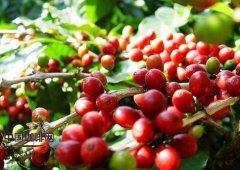
Ecuadorian boutique coffee may be the highest Arab coffee grower in the world.
Probably the highest Arabica coffee grower in the world. The Arabian Coffee Tree was first introduced to Ecuador (Ecuador) in 1952 and its coffee is of good quality, especially the coffee harvested in early June. Ecuadorian coffee beans can be divided into two varieties: Galapagos and Gigante, both of which have the characteristics of large granules and heavy weight. Ecuadorian coffee can be made according to quality.

Introduction to the origin of boutique coffee beans the characteristics of Ecuadorian coffee Ecuador coffee Ecuador Guado
The Arabian Coffee Tree was first introduced to Ecuador (Ecuador) in 1952 and its coffee is of good quality, especially the coffee harvested in early June. Ecuador's coffee origin: the best Arabica coffee is produced in the Andes, especially in the Chanchagu Valley (ChanchamgoValley). The Andes are divided into two mountains, extending from south to north to central Ecuador. Ecuador

Introduction to the Origin of Fine Coffee-- the uniqueness of Ecuadorian Fine Coffee Ecuador
Probably the highest Arabica coffee grower in the world. The Arabian Coffee Tree was first introduced to Ecuador (Ecuador) in 1952 and its coffee is of good quality, especially the coffee harvested in early June. Ecuadorian coffee beans can be divided into two varieties: Galapagos and Gigante, both of which have the characteristics of large granules and heavy weight. Ecuadorian coffee can be made according to quality.

San Cristobal producing area of coffee plantation in central Ecuador
Ecuador is one of the few countries in South America that produces both Arabica coffee and Robbins coffee. However, as the land suitable for Arabica coffee trees is decreasing, the production of Robbins coffee is gradually increasing. The best Arabica coffee is produced in the Andes, especially in the Chanchagu Valley (Chanchamgo Valley). The Andes are divided into two mountains.

The sizes of learned coffee cups are generally divided into three types.
The simplicity of ● ceramic cups and the roundness of porcelain cups symbolize different attitudes towards coffee. Pottery cup: rich in texture, suitable for deep-baked coffee with rich taste. Porcelain cup: the most common, can just explain the delicate aroma of coffee. Among them, the bone porcelain coffee cup made of high-grade porcelain clay and animal bone powder has the advantages of light texture, soft color, high density and good heat preservation.

A brief introduction to the Market Price of Fine Coffee Bean varieties in Hasunda Manor of the Equatorial country
Ecuador is one of the few countries in South America that produces both Arabica coffee and Robbins coffee. However, as the land suitable for Arabica coffee trees is decreasing, the production of Robbins coffee is gradually increasing. The best Arabica coffee comes from the Andes, especially the Chanchagu Valley (ChanchamgoValley), which is divided into two mountains from the south.

The characteristics of Ecuadorian coffee beans the origin of Ecuadorian coffee beans fine coffee
Probably the highest Arabica coffee grower in the world. The Arabian Coffee Tree was first introduced to Ecuador (Ecuador) in 1952 and its coffee is of good quality, especially the coffee harvested in early June. Ecuadorian coffee beans can be divided into two varieties: Galapagos and Gigante, both of which have the characteristics of large granules and heavy weight. Ecuadorian coffee can be made according to quality.

Coffee beans are divided into male beans and mother beans? which is better, male beans or female beans? is it not attractive to the opposite sex?
Professional coffee knowledge exchange more coffee bean information please follow the coffee workshop (Wechat official account cafe_style) Front Street-Coffee male and female beans introduce coffee beans divided into male and female? First of all, we have heard that the flowers of plants have pistils and stamens, while coffee beans, as the seeds of coffee trees, are unlikely to be male and female. So is there a difference between male and female coffee trees? The answer is no.

Introduction to the taste of the method of variety treatment in the grinding scale of Ecuadorian coffee beans
Ecuador is one of the few countries in South America that produces both Arabica coffee and Robbins coffee. However, as the land suitable for Arabica coffee trees is decreasing, the production of Robbins coffee is gradually increasing. The best Arabica coffee comes from the Andes, especially the Chanchagu Valley (ChanchamgoValley), which is divided into two mountains, from the south to the south.

Introduction to the flavor and taste characteristics of Ecuadorian coffee manor with a long lingering aftertaste
Central mountain: after entering Ecuador from Colombia, the Andes is divided into the eastern and western Cordillera mountains, with a plateau high in the north and low in the south, averaging between 2500 and 3000 meters above sea level. The Andes run through the middle of the border. The ridges crisscross, dividing the plateau into more than ten intermountain basins. The most important are the Quito basin and the Cuenca basin in the south. Volcanic crowds in the territory

A balanced and refreshing Hasenda Coffee Estate Boutique Coffee Bean Origin Development History Culture Introduction
Arabica coffee trees were first introduced to Ecuador in 1952, and their coffee quality is very good, especially when harvested in early June. Ecuadorian coffee beans can be divided into Galapagos (Galapagos) and Gigante (Gigante) two varieties, both have large particles, heavy portions of characteristics. Ecuadorian coffee can be divided into No.1 and ExtraSuperior according to quality.

Selection of beans and grinding for dripping coffee machine-value of grinding fineness of coffee machine
Choice of coffee machine beans and grinding-coffee machine grinding fineness numerical bean grinder is generally classified by coffee extraction, which is divided into two categories: single coffee grinder and Italian coffee grinder! According to the structure of the grinding plate can be divided into flat knife, cone knife, ghost teeth three categories! You can break up manpower and electric power according to the way you work. But no matter what category, my personal advice is to buy your financial ability.

Classification of common tea characteristics and processing methods of tea production
A brief introduction to the tea processing process due to the differences in the production and processing procedures and the quality characteristics of tea after the tea processing process, it can be divided into two systems: (1) according to the degree of tea fermentation and oxidation in the tea processing process: unfermented tea, partially fermented tea and fully fermented tea. (2) according to the appearance and color of tea products, it can be divided into green tea, yellow tea, white tea, green tea, black tea and black tea.

The taste is very good, and the characteristics of coffee flavor producing areas of Santa Cruz Manor in Ecuador are introduced.
The Arabian Coffee Tree was first introduced to Ecuador (Ecuador) in 1952 and its coffee is of good quality, especially the coffee harvested in early June. Ecuadorian coffee beans can be divided into two varieties: Galapagos and Gigante, both of which have the characteristics of large granules and heavy weight. Ecuadorian coffee can be divided into first class (No.1) and super excellent (ExtraSuperior) according to its quality.

Fragrant Hassanda Coffee Manor Fine Coffee Bean cultivation geographical location, climate, altitude is simple.
The Arabian Coffee Tree was first introduced to Ecuador (Ecuador) in 1952 and its coffee is of good quality, especially the coffee harvested in early June. Ecuadorian coffee beans can be divided into two varieties: Galapagos and Gigante, both of which have the characteristics of large granules and heavy weight. Ecuadorian coffee can be divided into first class (No.1) and super excellent (ExtraSuperior) according to its quality.

A brief introduction to the treatment method of Grinding degree and Baking degree of Fine Coffee beans in fragrant Hasunda Coffee Manor
However, as the land suitable for Arabica coffee trees is decreasing, the production of Robbins coffee is gradually increasing. The best Arabica coffee comes from the Andes, especially the Chanchagu Valley (ChanchamgoValley). The Andes are divided into two mountains, extending from south to north to the Galapagos Islands in central Ecuador, located in the Pacific Ocean, off the coast of Ecuador.

The size and specification of coffee beans
A, coffee can be divided into washing type and non-washing type according to specifications, and can also be divided into flat beans and round beans. Washing type: in the sink, after rubbing with water and utensils, the pulp and colloid are removed and dried, which is called washing coffee bean with uniform quality. Non-washing type: after the sun is naturally dried, the pulp and peel is removed by a sheller, and its quality is unstable. The fruit of coffee is made up of two oval shapes